For decades, quinoa a grain from the Andes dominated the global superfood narrative. But a quiet revolution has been underway in the world's food markets, and at its centre is India's ancient grain heritage. Millets, sorghum, chickpeas, and other crops that have fed the Indian subcontinent for thousands of years are now finding their way onto supermarket shelves in Berlin, grocery chains in Dubai, and health-food stores in New York.
At House of Rasa, we have been at the heart of this shift since 1996 exporting India's finest ancient grains to more than 30 countries. In this article, we explain why this surge in global demand is happening, and why India is uniquely positioned to meet it.
The Global Shift Towards Ancient Grains
The modern consumer is increasingly concerned about what they eat not just caloric value, but nutritional density, environmental impact, and traceability. Ancient grains tick every one of these boxes.
Unlike heavily processed modern cereals, ancient grains have remained largely unchanged for millennia. They retain their full nutrient profiles complex carbohydrates, essential amino acids, minerals, and dietary fibre without the need for artificial fortification. They are also largely gluten-free, which makes them ideal for the rapidly growing number of consumers managing celiac disease or gluten intolerance across Europe and North America.
Market Insight: The global ancient grains market was valued at USD 9.8 billion in 2023 and is projected to grow at a CAGR of over 5.4% through 2030, driven by demand from Europe, North America, and the Middle East. (Source: Grand View Research)
Why India Is the World's Premier Source
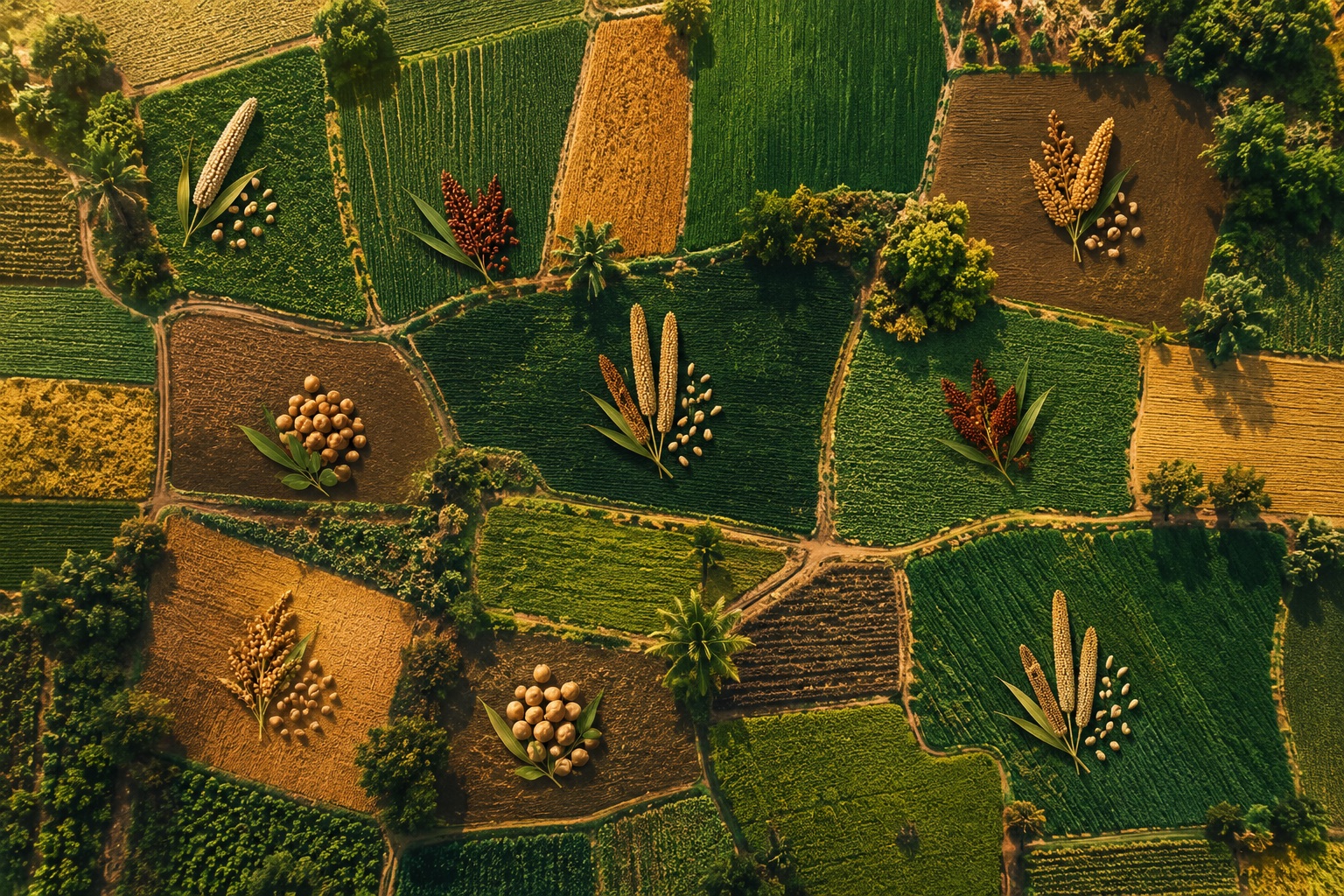
India is the world's largest producer of millets, accounting for approximately 80% of global millet output. The country grows every major variety pearl millet (bajra), finger millet (ragi), sorghum (jowar), kodo millet, foxtail millet, and little millet across diverse agro-climatic zones that naturally produce different flavour profiles and nutritional characteristics.
1. Agrobiodiversity at Scale
No other country offers the variety and volume that India does. Gujarat, Rajasthan, Maharashtra, Karnataka, and Andhra Pradesh each produce distinct grain varieties suited to different end-use applications from bakery and brewing to animal feed and nutraceuticals.
2. Price Competitiveness
Indian ancient grains are significantly more price-competitive than comparable products from South America or Africa, even after freight costs are factored in. For bulk importers, this makes India the clear choice for sustainable, long-term procurement.
3. Export Infrastructure
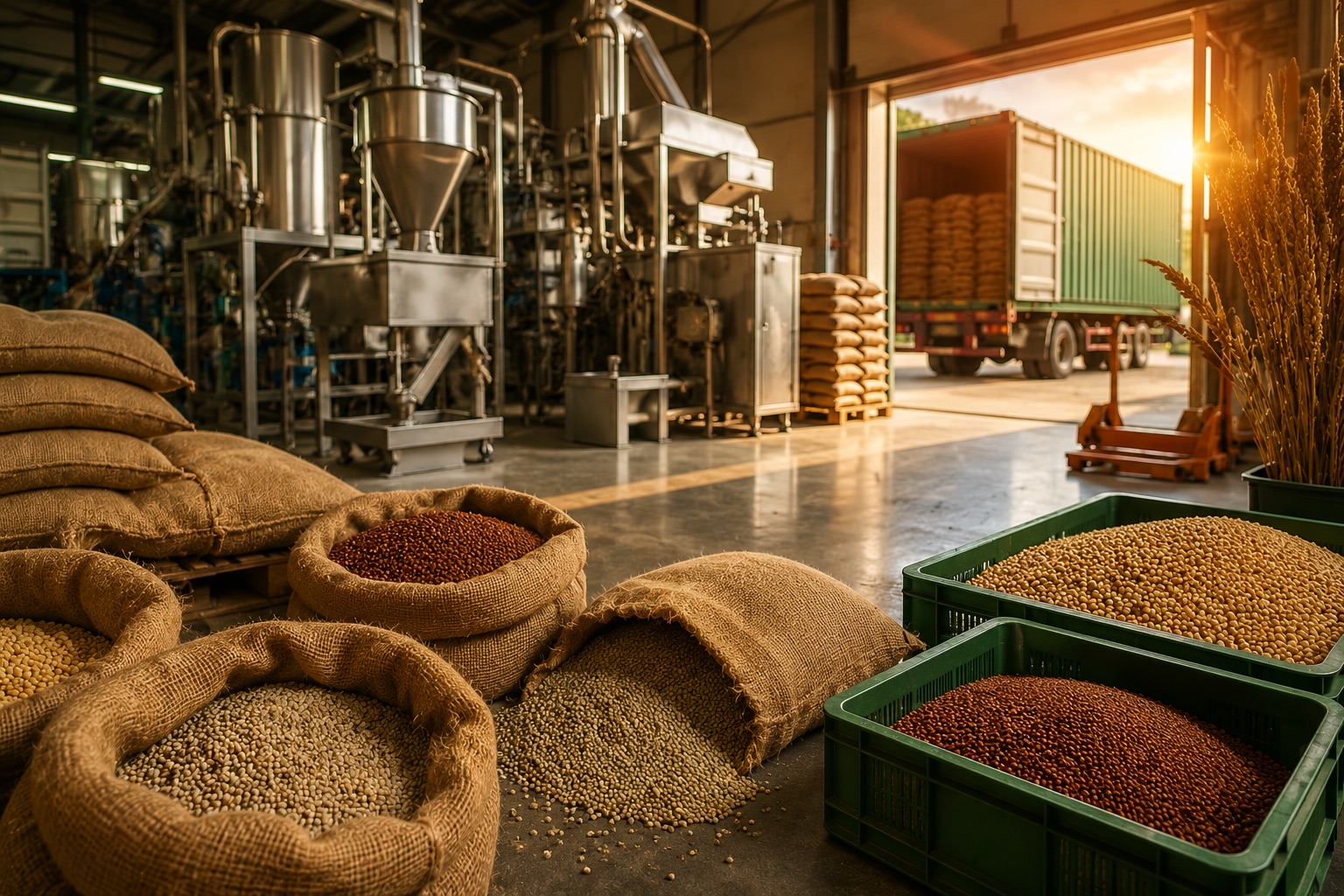
India's agricultural export infrastructure has developed rapidly over the past decade. Modern processing facilities, temperature-controlled storage, and direct port access from Gujarat and Maharashtra mean that quality is maintained from farm to freight. House of Rasa's end-to-end processing ensures every shipment meets international phytosanitary and food safety standards.
The Markets Driving Demand
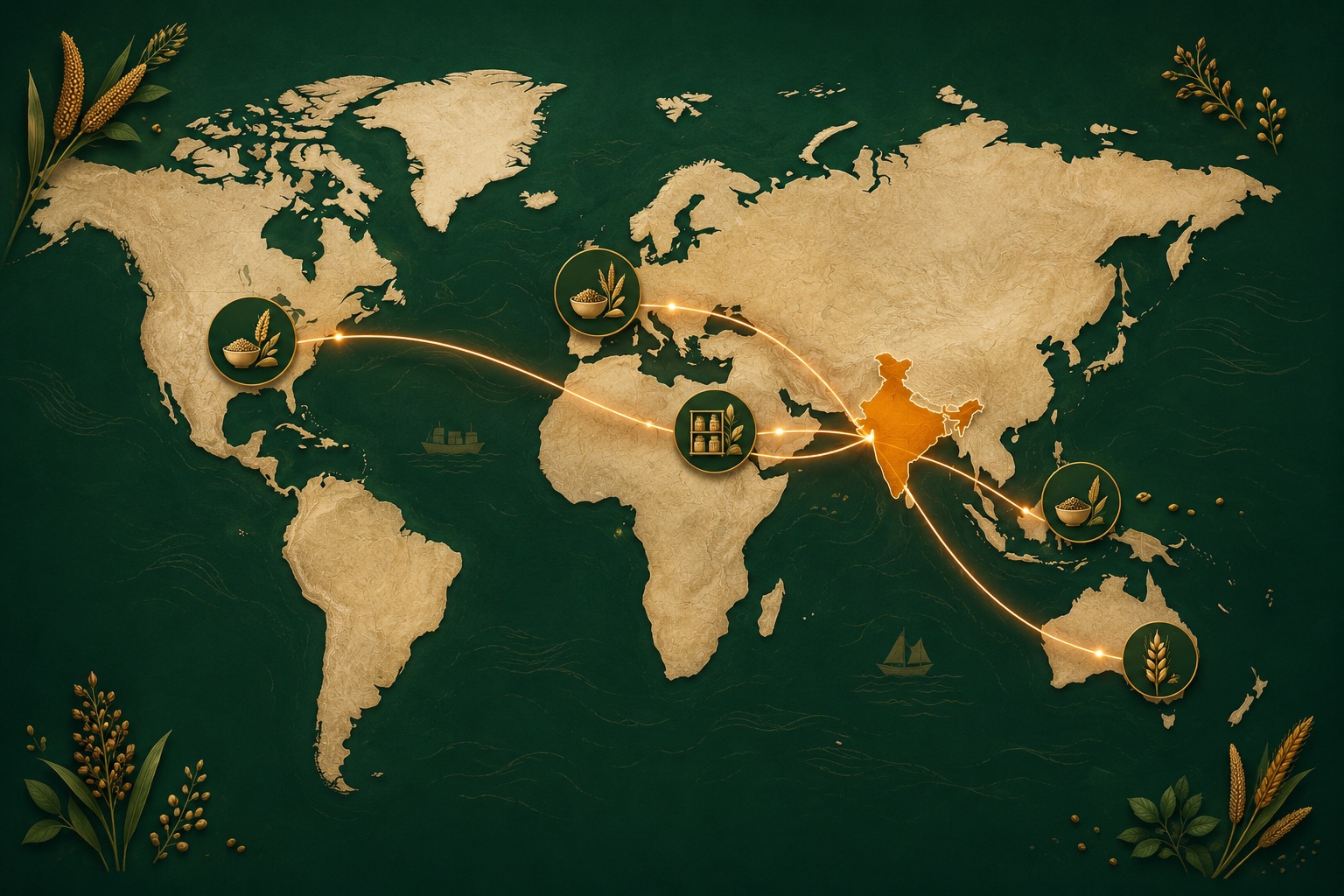
The growth in ancient grain imports is not confined to one region it is a genuinely global phenomenon:
- Europe: Germany, the UK, the Netherlands, and France are the largest European importers of Indian millets. Health food retailers and organic grocery chains are the primary buyers.
- Middle East & Gulf: With large South Asian diaspora populations and growing health consciousness, the UAE, Saudi Arabia, and Kuwait are significant and growing markets.
- North America: The US and Canada are seeing strong growth in millet-based flours, breakfast cereals, and snack products, creating demand for consistent, certified supply.
- Southeast Asia: Emerging markets in Singapore, Malaysia, and Indonesia are beginning to incorporate Indian millets into functional food products.
What This Means for International Buyers
For importers and food manufacturers, this trend represents both an opportunity and an imperative. Sourcing ancient grains now before price competition increases allows buyers to lock in favourable long-term supply agreements. More importantly, working with an established, vertically integrated exporter like House of Rasa ensures consistency, documentation, and quality across every shipment.
Why source through House of Rasa? We provide 100% traceable origin documentation, phytosanitary certificates, third-party lab testing reports, and multiple certifications including ISO, FSSAI, and organic options. Every batch is tested before shipping.
Conclusion
The global ancient grains story is far from over it is, in fact, just beginning. As consumer awareness grows, as gluten-free and whole-food diets become mainstream, and as climate-conscious supply chains become a competitive necessity, the demand for India's ancient grain heritage will only intensify.
House of Rasa is ready to be your partner in this journey. Request a free sample today and discover what 30 years of export expertise can bring to your supply chain.