Of all India's ancient grains, kodo millet known as varagu in Tamil and kodra in Hindi may be the most underappreciated internationally. While pearl millet and sorghum have earned global recognition, kodo millet has remained a regional staple, largely unknown outside South India and parts of Central India.
That is changing. As health food brands and nutritionists dig deeper into the ancient grain category, kodo millet's exceptional nutritional profile particularly its low glycaemic index and high antioxidant content is attracting serious attention from international buyers in Europe, North America, and Japan.
Why Kodo Millet Stands Out Nutritionally
Kodo millet's nutritional advantages are compelling, especially in the context of growing global concern over diabetes and metabolic disorders:
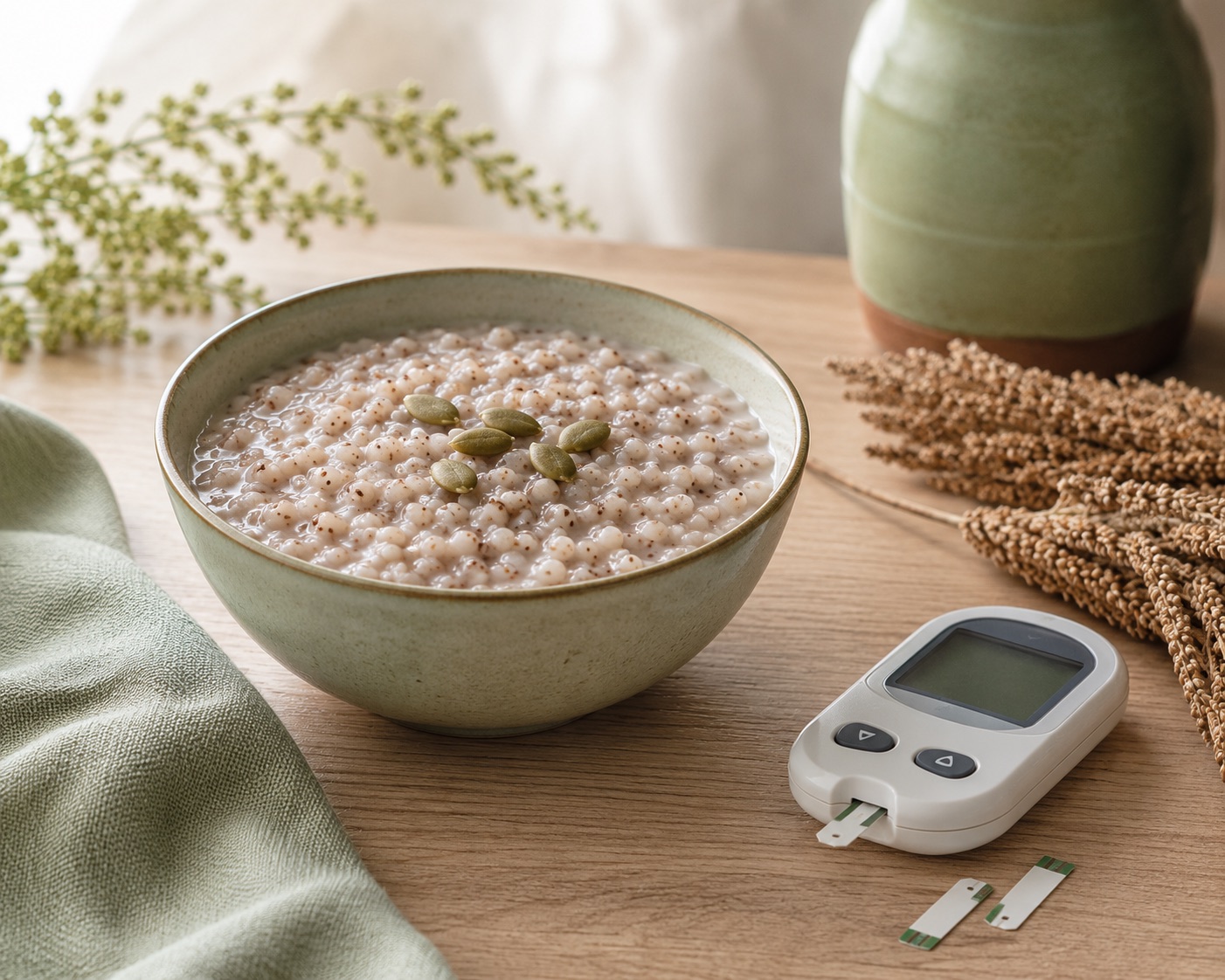
- Low glycaemic index (GI 52): Significantly lower than white rice (GI 72) and wheat bread (GI 74), making it ideal for diabetic-friendly product formulations.
- High antioxidant content: Rich in phenolic acids, tannins, and polyphenols that help combat oxidative stress a key functional food benefit.
- High dietary fibre: Supports digestive health and satiety, making it popular in weight management food products.
- Gluten-free: Certified suitable for celiac consumers and gluten-intolerant markets.
- Rich in B vitamins: Particularly niacin (B3), which supports metabolic function.
Emerging opportunity: The global diabetic food market is projected to reach USD 16.7 billion by 2027. Low-GI grains like kodo millet are positioned at the intersection of this trend and the broader ancient grains movement making it a highly strategic ingredient for forward-looking food brands.
Global Markets & Applications
Health Food Retail (Europe & North America)
Kodo millet is being incorporated into ancient grain flour blends, gluten-free pasta, and diabetic-friendly breakfast products. Its mild, slightly nutty flavour is well-received in Western palates.
Functional Beverage (Japan & South Korea)
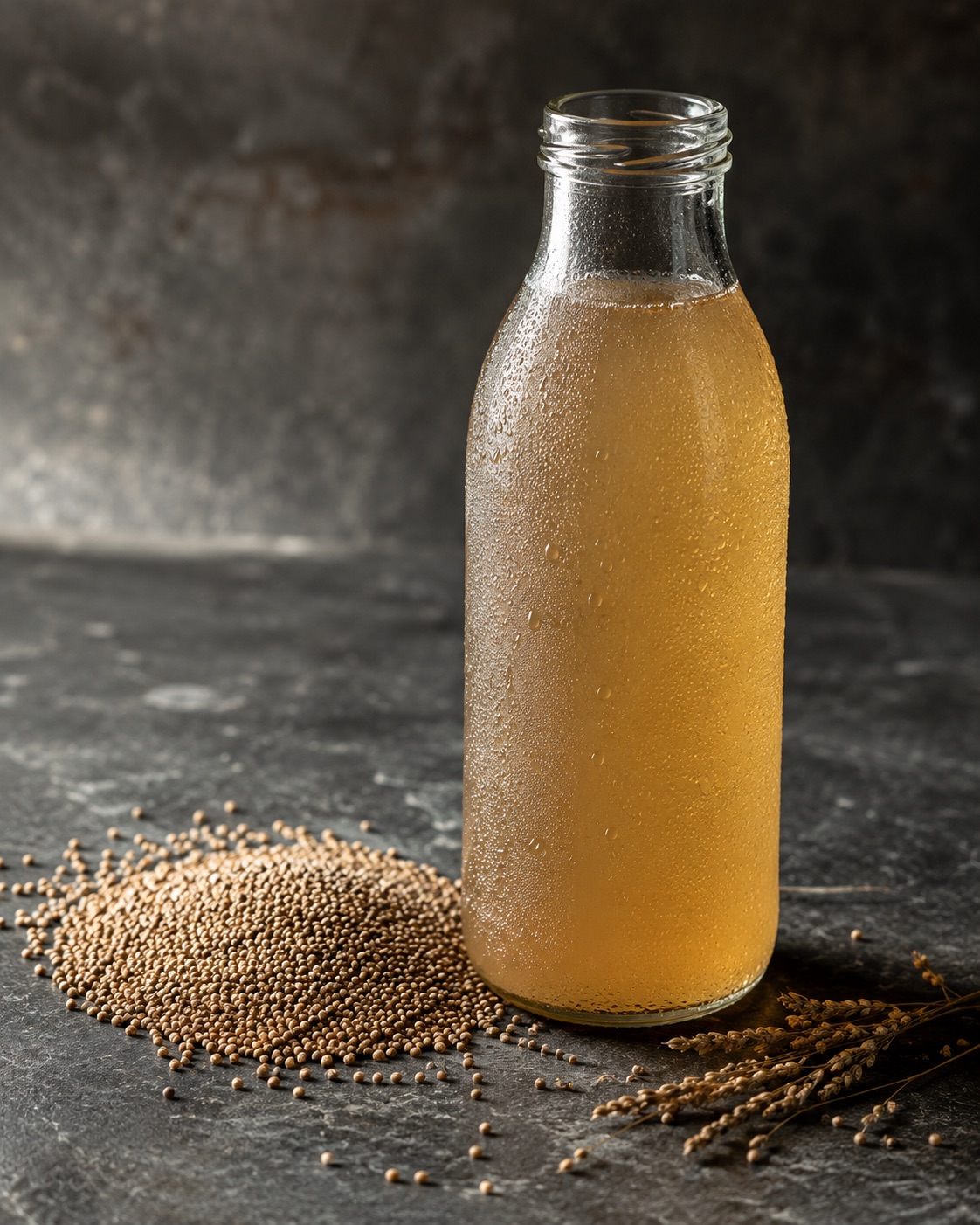
Interest in kodo millet as a fermented grain base for health drinks and grain-based beverages is emerging in East Asian functional food markets.
Nutraceutical Ingredients
The high polyphenol content of kodo millet bran makes it a potential source of standardised antioxidant extracts for the nutraceutical industry a market that is beginning to explore millet-derived bioactives.
Our Export Offering
House of Rasa exports kodo millet in whole grain, dehulled, and flour form from Chhattisgarh and Madhya Pradesh India's two primary kodo millet producing states. Specifications:
- Moisture: Maximum 13%
- Foreign matter: Maximum 0.5%
- Available forms: Whole grain, dehulled grain, flour
- Minimum order: 500kg (trial), 5MT (commercial)
- Certifications: FSSAI, ISO 22000, Organic (on request)
Kodo millet is one of our more speciality offerings we encourage serious buyers to request a sample and discuss specific applications with our export team. Lead buyers in Europe have been building kodo millet into product lines ahead of mainstream adoption now is the right time to explore it.